








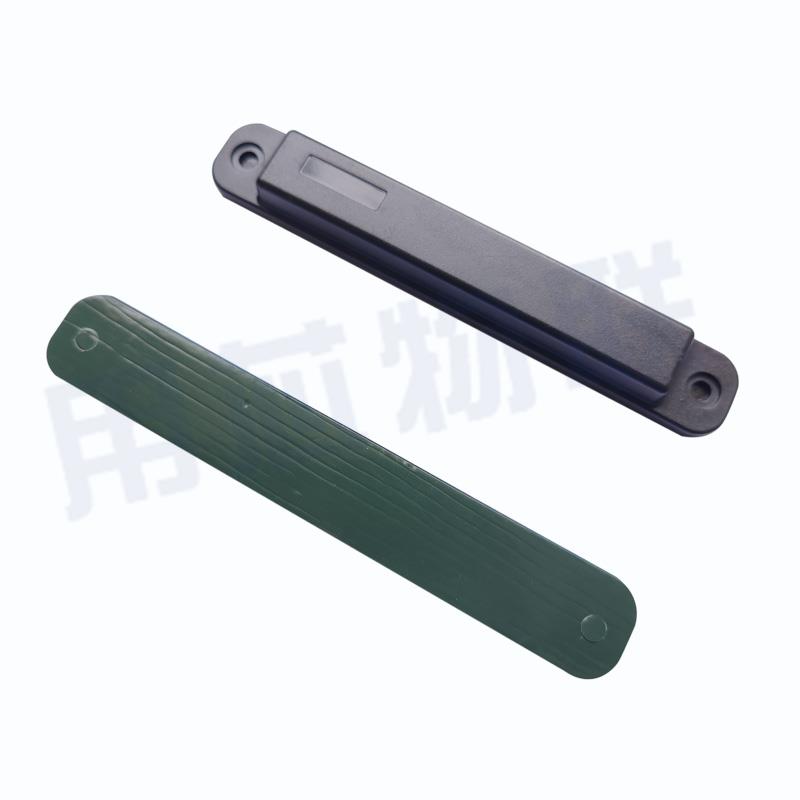
RFID Tag - ABS Anti-Metal 135*21 (R6P)
Anti-metal tags are RFID (radio frequency identification) tags designed for stable operation on metal surfaces or high metal interference environments. Through special antenna design and impedance matching technology, it effectively overcomes the problems of traditional RFID tags such as easy failure, short reading distance, and signal distortion in metal environments, making them ideal choices for industrial automation, asset management, intelligent warehousing, and other fieldsy.
Product description
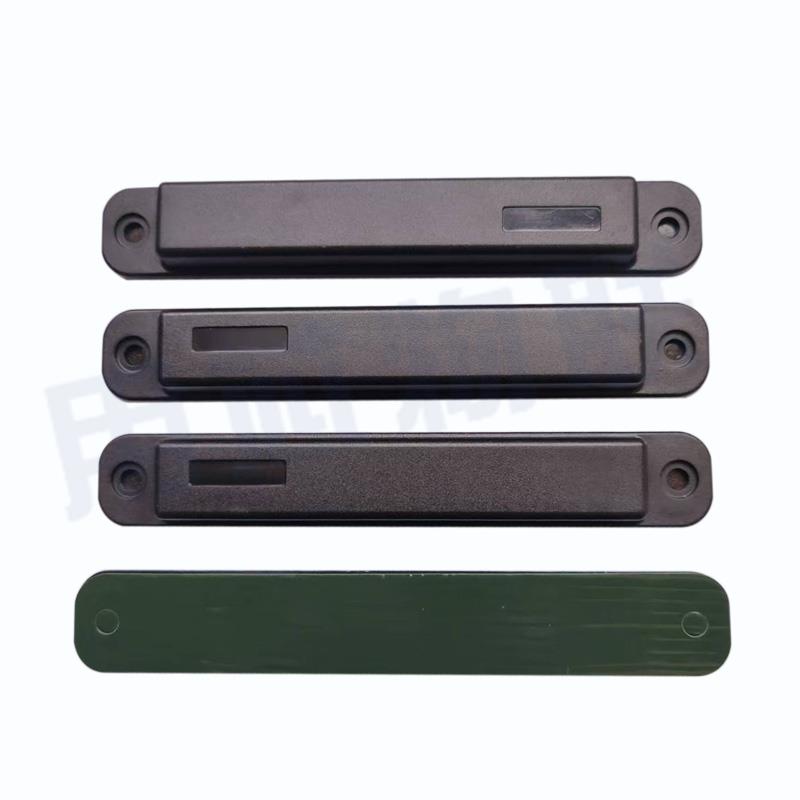
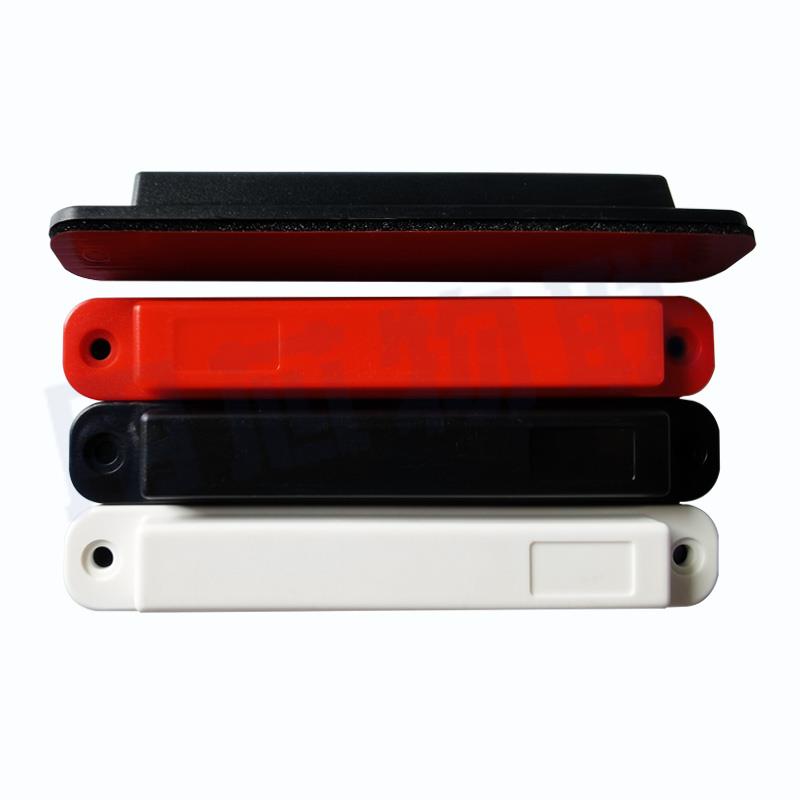
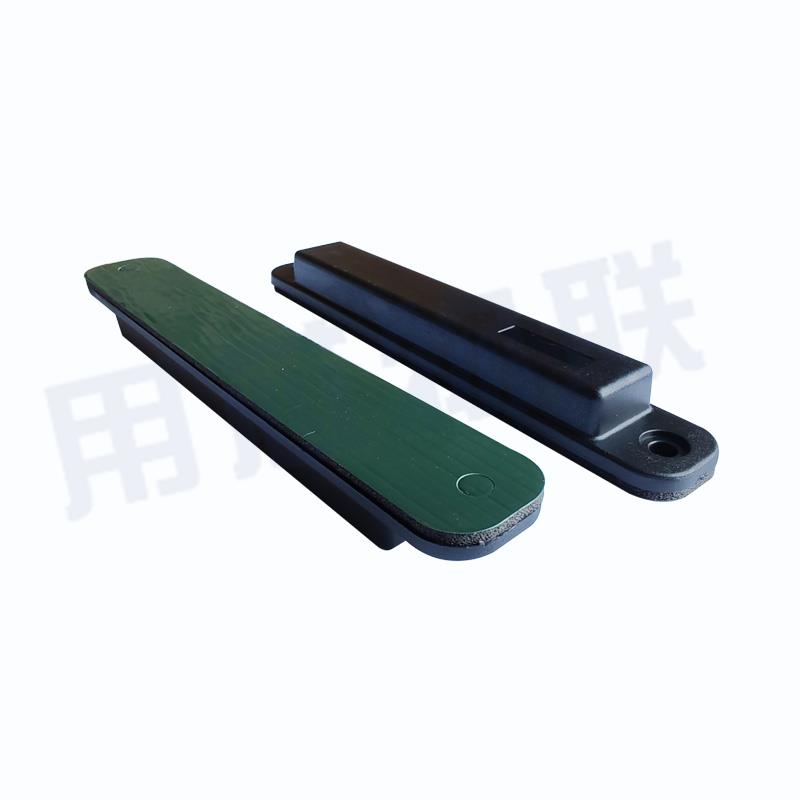
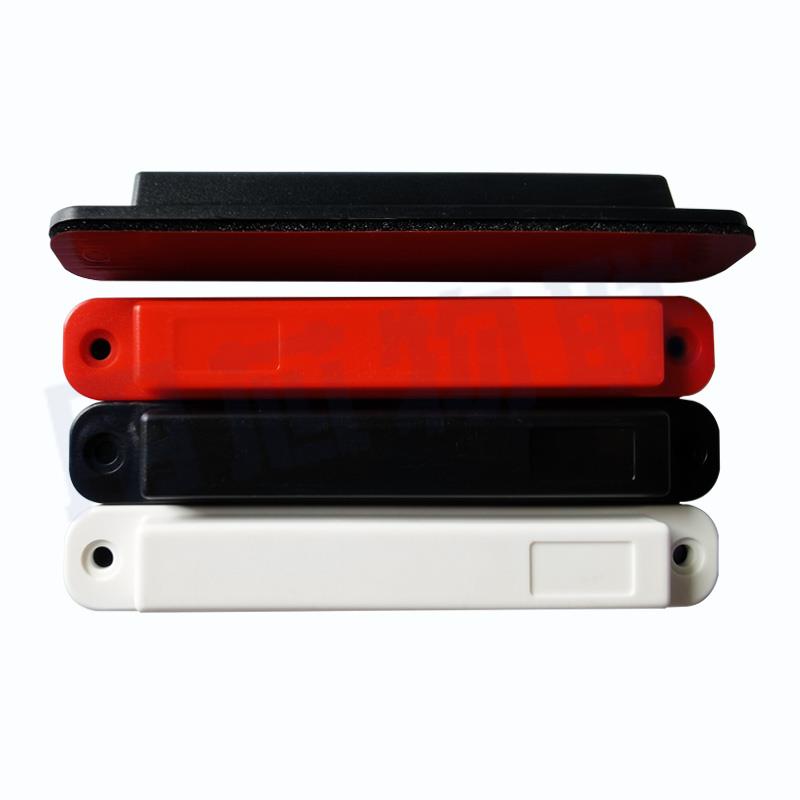
This RFID Anti-Metal Tag (Size: 135mm × 21mm) is an industrial-grade passive tag designed to solve the RFID identification challenge of metal surfaces. It effectively suppresses the interference and energy absorption of electromagnetic waves by metals through a specially treated label structure and optimized antennas, thereby achieving stable and efficient reading and writing performance on metal surfaces. With its exceptional reliability, robust physical structure, and excellent performance, this product has become a key tool in the field of asset management and industrial automation
Parameter introduction:
Label size: 135*21mm
Label material: ABS
Commonly used chips: U9/R6P (customizable)
Applicable frequency: UHF 902~928Mhz
Supported Protocols: IS018000-6C/EPCGEN2
Storage temperature: -20C~~180C
Reading Distance: 1-8M (depending on size, card reader and environment)
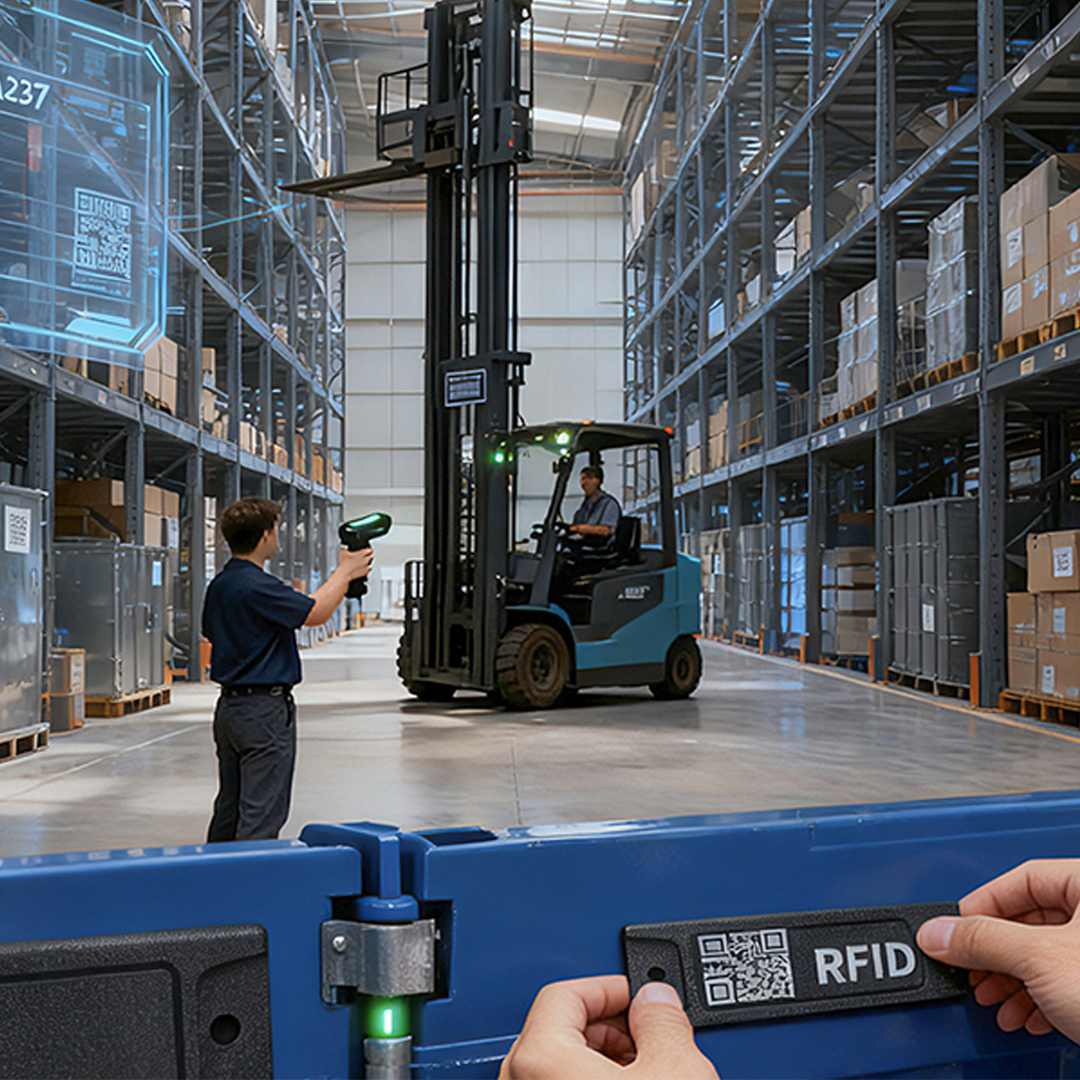
Application scenarios: asset management, inspection management, production line management, product tracking, logistics and warehousing, etc
Product features: waterproof and high temperature resistance, wear resistance and drop resistance, easy installation (can be pasted and punched holes)
Application Scenarios:
1. Industrial asset and equipment managemen
Scenario: Management of metal assets such as machine tools, molds, shelves, distribution boxes, gas cylinders, and large tools in the factory.
Application: Attach tags or locks to the surface of assets to achieve rapid asset inventory, positioning and search, status tracking (such as maintenance cycles, usage records) and automated management of inbound and outbound storage, and prevent asset loss.
2. Warehousing logistics and pallet management
Scenario: Management of logistics pallets, turnover boxes, racks, forklifts with metal components.
Application: Install the label at the designated location on the metal pallet or tote box. When goods are in and out of the warehouse, sorting, and transportation, they can be read in batches and quickly through fixed or handheld readers to realize real-time visualization and automation of logistics information, greatly improving the efficiency of warehouse operations.
3. IT equipment and data center management
Scenario: Metal equipment management in data centers such as server racks, network equipment, blade servers, and UPS power supplies.
Application mode: Paste labels on the equipment, combined with mobile terminals, O&M personnel can quickly inventory thousands of devices in the computer room, accurately obtain equipment models, configurations, maintenance information and physical location, simplify O&M, and reduce human error.
4. Inspection of power and energy facilities
Scenario: Inspection and asset management of power transformers, transmission tower components, substation equipment, oil and gas pipeline valves.
Application method: The tag is used as the "digital ID card" of the equipment, and the inspector can automatically call up the equipment file, historical inspection records, and operating procedures by reading it close to the handheld device, and enter the inspection data on the spot to ensure the operation specification and traceability.
5. Intelligent building and fixed asset management
Scenario: Fixed asset management of fire-fighting equipment, air conditioning units, medical equipment, laboratory instruments and other fire fighting equipment, air conditioning units, medical equipment, laboratory instruments in office buildings, hospitals, and laboratories.
Application method: Label each high-value fixed asset, and the financial and administrative departments can easily conduct annual inventory, grasp the asset distribution, use department and status changes in real time, and achieve refined management.
6. Vehicle and traffic management
Scenario: fleet management of buses, trucks, and special vehicles, as well as the identification of containers and railway wagons.
Application mode: Installed on the metal frame or container of the vehicle, it automatically identifies the vehicle identity at the entrance and exit, parking lot, maintenance plant and other nodes, and realizes the automatic management of vehicle scheduling, entry and exit control, maintenance records, etc.



 鄂公网安备42050002420915号
ICP备案:
鄂公网安备42050002420915号
ICP备案: